Solar Power for Nigerian Businesses: What You Need to Know
Grid power in Nigeria is unreliable. Here's how to size a solar and inverter system that actually works for your business — without over-spending or under-building.
Why solar makes financial sense now
Generator fuel costs have made diesel backup unsustainable for most businesses. A well-designed solar system pays for itself in 2–4 years through fuel savings alone. With lithium batteries dropping in price, the upfront cost gap between solar and generator-only setups is narrowing fast. The question isn't whether to go solar — it's how to size it correctly.
Load assessment: the foundation
Every reliable solar installation starts with a load assessment. We measure what you actually consume — not what you think you consume. Air conditioning, refrigeration, lighting, POS terminals, CCTV, and networking equipment all have different power profiles. We log your usage over a typical day, calculate peak and average loads, then design around reality, not estimates.
Panels, batteries, and inverters: getting the ratio right
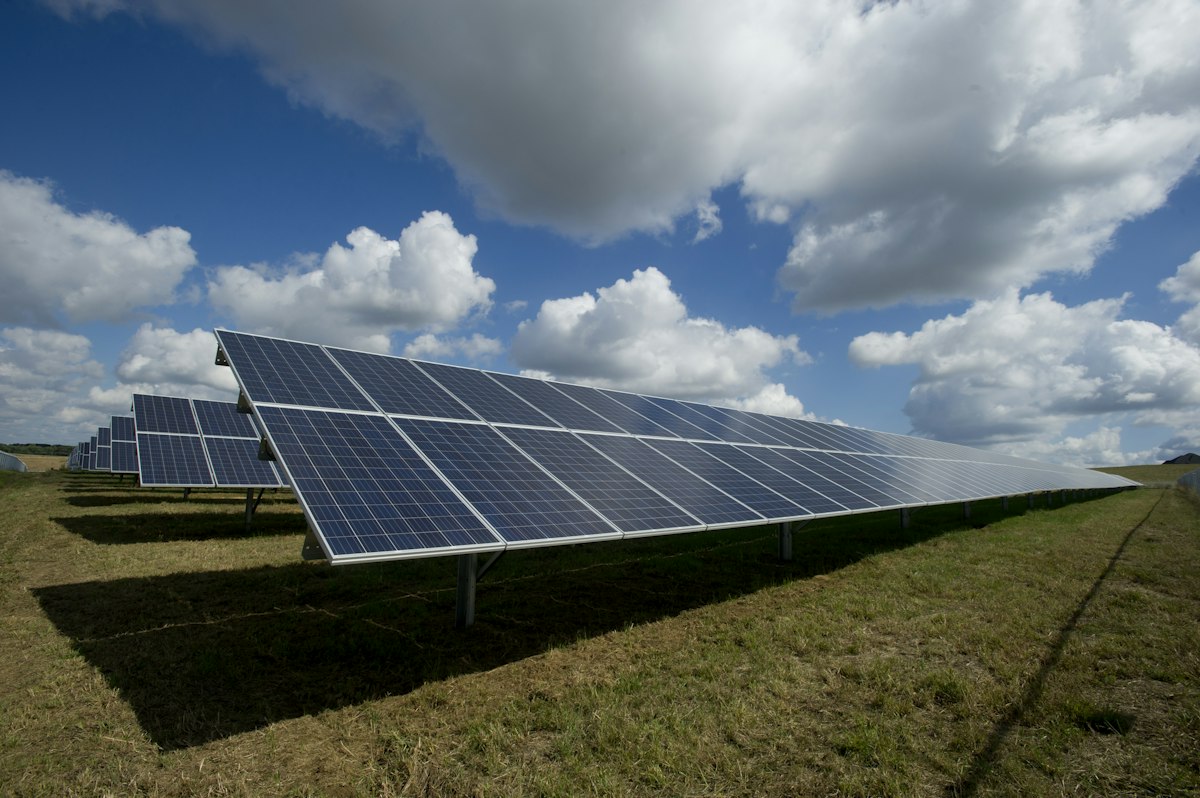
Over-panelling and under-storing is a common mistake. If your batteries can't hold enough charge to run through the evening, those extra panels are wasted during the day. Conversely, a large battery bank with too few panels won't recharge fully before the next night. We balance the trio: panels generate, batteries store, and the inverter converts — each sized to the others.
Hybrid systems: the practical choice
Most Nigerian businesses benefit from a hybrid setup — solar panels and batteries as the primary source, with grid power as backup (and a generator as the last resort). The inverter handles automatic changeover between sources seamlessly, so there's no flicker and no manual switching. Your staff and customers won't even notice when the grid drops.
Maintenance keeps the system alive
Solar panels are low-maintenance, but they're not no-maintenance. Dust, bird droppings, and harmattan haze reduce output. Battery health needs periodic checks, especially for lead-acid types. We offer maintenance plans that include panel cleaning, battery health reports, and inverter diagnostics — because a system that's installed and forgotten will degrade faster than one that's looked after.
Need help with this?
We provide free site assessments and consultations. Talk to us about your energy needs.